
The Earthworks Critical Minerals Recycling and Recovery System.
Earthworks Industries is developing a modular Critical Minerals Recycling & Recovery System designed to help strengthen domestic supply chains through the recovery, upgrading and commercialization of valuable metals from underutilized material streams.
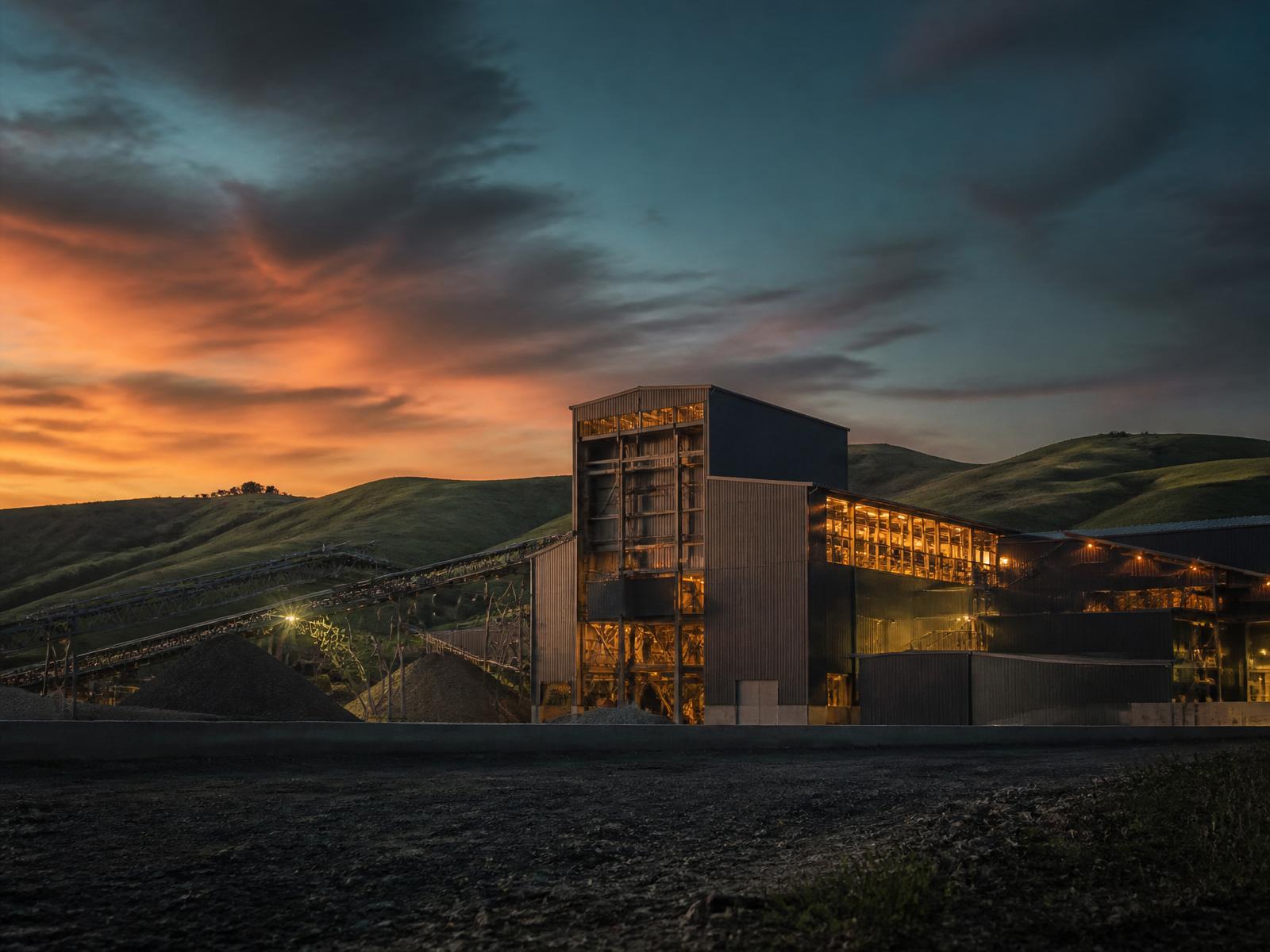
Building the next generation of critical minerals recovery infrastructure.
Rather than relying exclusively on new mine development, our platform is designed to recover critical minerals already above ground — from industrial scrap, manufacturing by-products, end-of-life products and, over time, legacy materials such as mine tailings, waste rock and other historical mineral deposits.
Our objective is simple: recover more critical minerals. Deploy faster. Scale smarter.
Designed around modularity.
Traditional processing facilities are typically large, capital intensive and built for one specific purpose. Earthworks is taking a different approach.
This modular philosophy enables incremental growth while reducing capital requirements and improving deployment flexibility.
Standardized recovery units can be
- Deployed individually
- Connected together
- Expanded over time
- Relocated when appropriate
- Configured for different material streams
Multiple material streams.
The platform is designed to support recovery across numerous critical mineral categories, including:
- Copper
- Battery metals
- Precious metals
- Rare earth elements
- Strategic and defense metals
- Additional specialty metals as development progresses
The Company’s initial commercial focus is copper recycling, with additional recovery modules intended to be introduced over time.
Urban mining & legacy materials.
Earthworks views tomorrow’s mines as both above and below ground. The platform is designed around two complementary resource pillars.
Urban mining
Recovering metals from:
- —Industrial scrap
- —Manufacturing waste
- —Electronic waste
- —End-of-life products
- —Commercial recycling streams
Legacy materials
Recovering value from:
- —Mine tailings
- —Waste rock
- —Historical processing residues
- —Previously uneconomic mineralized materials
Together these represent significant opportunities to increase domestic supply while reducing waste and supporting environmental stewardship.
Flexible business model.
The system has been designed to support multiple commercialization pathways, including:
- —Wholly owned facilities
- —Joint ventures
- —Strategic partnerships
- —Toll processing
- —Equipment leasing structures
- —Licensing opportunities
- —Acquisitions
- —Integration with existing recycling infrastructure
This flexibility allows Earthworks to pursue the most capital-efficient strategy for each opportunity.
Designed for capital efficiency.
A core principle behind the platform is disciplined capital deployment. Rather than constructing large fixed facilities from the outset, modular infrastructure allows Earthworks to grow in step with proven results. The Company believes this approach provides greater operational flexibility while supporting long-term scalability.
- Validate economics at smaller scale
- Expand incrementally
- Reduce financing risk
- Respond to changing market conditions
- Deploy capital where returns are strongest
Supporting domestic critical mineral supply.
Demand for critical minerals continues to increase across:
- Electrification
- Renewable energy
- Artificial intelligence
- Semiconductors
- Telecommunications
- Infrastructure
- Aerospace
- Defense
At the same time, governments throughout Canada, the United States and allied jurisdictions continue to prioritize secure domestic supply chains.
Earthworks believes critical minerals recycling and recovery can play an increasingly important role in complementing traditional mining while helping strengthen long-term resource security.
Looking beyond copper.
While the Company’s initial focus is copper recycling, the underlying architecture has been designed with future expansion in mind.
As the platform evolves, Earthworks intends to evaluate additional opportunities across new commodities, new feedstocks and new geographic markets through organic growth, partnerships and acquisitions. The long-term objective is the development of a distributed network of modular recovery facilities capable of processing multiple critical mineral streams across North America and other allied jurisdictions.